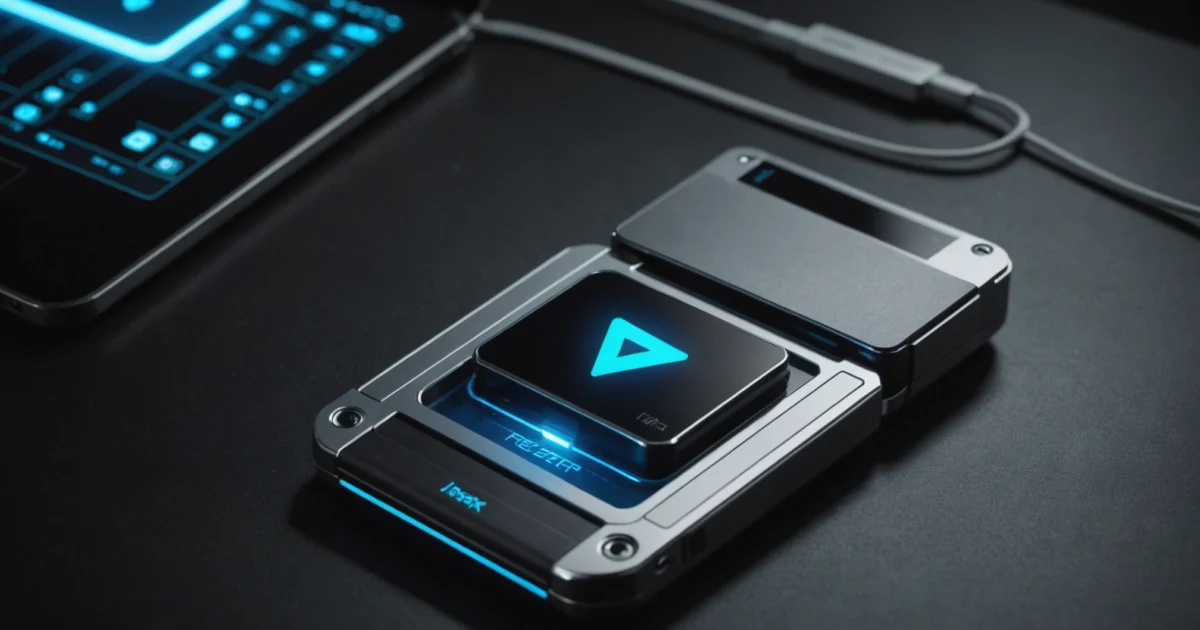
So, you’ve taken the plunge into the exciting world of cryptocurrency? Fantastic! Now, let’s talk about keeping your digital treasures safe. Think of your crypto like real money – you wouldn’t leave cash lying around, right? Hardware wallets are like super-secure vaults for your Bitcoin, Ethereum, and other digital assets.
What is a Hardware Wallet?
A hardware wallet is a physical device, like a USB stick, designed specifically to store your crypto offline. This is a HUGE deal because it keeps your private keys (the secret codes that unlock your crypto) away from the internet, where hackers and other bad actors lurk. It’s the most secure way to store your crypto.
Why Use a Hardware Wallet?
- Enhanced Security: Your private keys are stored offline, making it nearly impossible for hackers to steal your crypto.
- Protection from Malware: Because your keys are offline, they can’t be compromised by viruses or malware on your computer.
- Control: You have complete control over your crypto.
Choosing Your Hardware Wallet
There are several reputable hardware wallet brands. Some popular choices include Ledger and Trezor. Do some research and compare features, supported cryptocurrencies, and prices to find the best fit for you. Consider the user-friendliness; you want something you can easily understand and use. Always buy directly from the manufacturer to avoid potential tampering.
Setting Up Your Hardware Wallet: A Step-by-Step Guide
- Unboxing and Inspection: When your hardware wallet arrives, carefully inspect the packaging for any signs of tampering. Make sure the box hasn’t been opened before.
- Connect and Initialize: Connect your hardware wallet to your computer using the provided USB cable. Follow the on-screen instructions to initialize the device. This usually involves setting a PIN code and, crucially, creating a recovery phrase (also known as a seed phrase).
- Create a Recovery Phrase: Your recovery phrase is a series of 12 or 24 words. This is your backup key. WRITE IT DOWN ON PAPER (or other offline storage) and keep it in a secure, separate location. Do NOT store it digitally on your computer or phone. Anyone with access to your recovery phrase can access your crypto!
- Install Wallet Software: Download and install the software or app provided by your hardware wallet manufacturer on your computer or phone. This software acts as an interface to manage your crypto.
- Generate Receiving Addresses: Within the wallet software, you’ll find options to generate receiving addresses for different cryptocurrencies (e.g., Bitcoin, Ethereum). These addresses are where you’ll send your crypto to your hardware wallet.
- Send Crypto to Your Wallet: From your exchange or software wallet (like MetaMask), send your crypto to the receiving address generated by your hardware wallet. Always start with a small test amount to ensure everything works correctly.
- Confirm Transaction: Once you send the crypto, you will need to confirm the transaction on your hardware wallet by physically pressing a button on the device. This adds an extra layer of security.
- Store Securely: Keep your hardware wallet and recovery phrase in a safe place. Treat them like cash. If you lose your hardware wallet, you can use your recovery phrase to restore your crypto on a new device. If someone gets your recovery phrase, they can steal your crypto.
Important Security Tips
- Keep Your Software Updated: Regularly update your hardware wallet’s firmware and the accompanying software on your computer or phone. This ensures you have the latest security patches.
- Phishing Awareness: Be wary of phishing attempts. Never enter your recovery phrase on any website unless it’s on your hardware wallet itself.
- Double-Check Addresses: Always double-check the receiving address before sending crypto. A small mistake can mean your crypto is lost forever.
- Consider Using a Passphrase: Some hardware wallets allow you to add a passphrase to your recovery phrase for an extra layer of security.
Where to Learn More
Want to learn more? Check out the official websites for Ledger or Trezor. You can also find great resources on YouTube.
By following these steps, you’ll be well on your way to securing your crypto assets. Hardware wallets are a key piece of the crypto security puzzle, providing peace of mind and control over your digital wealth.