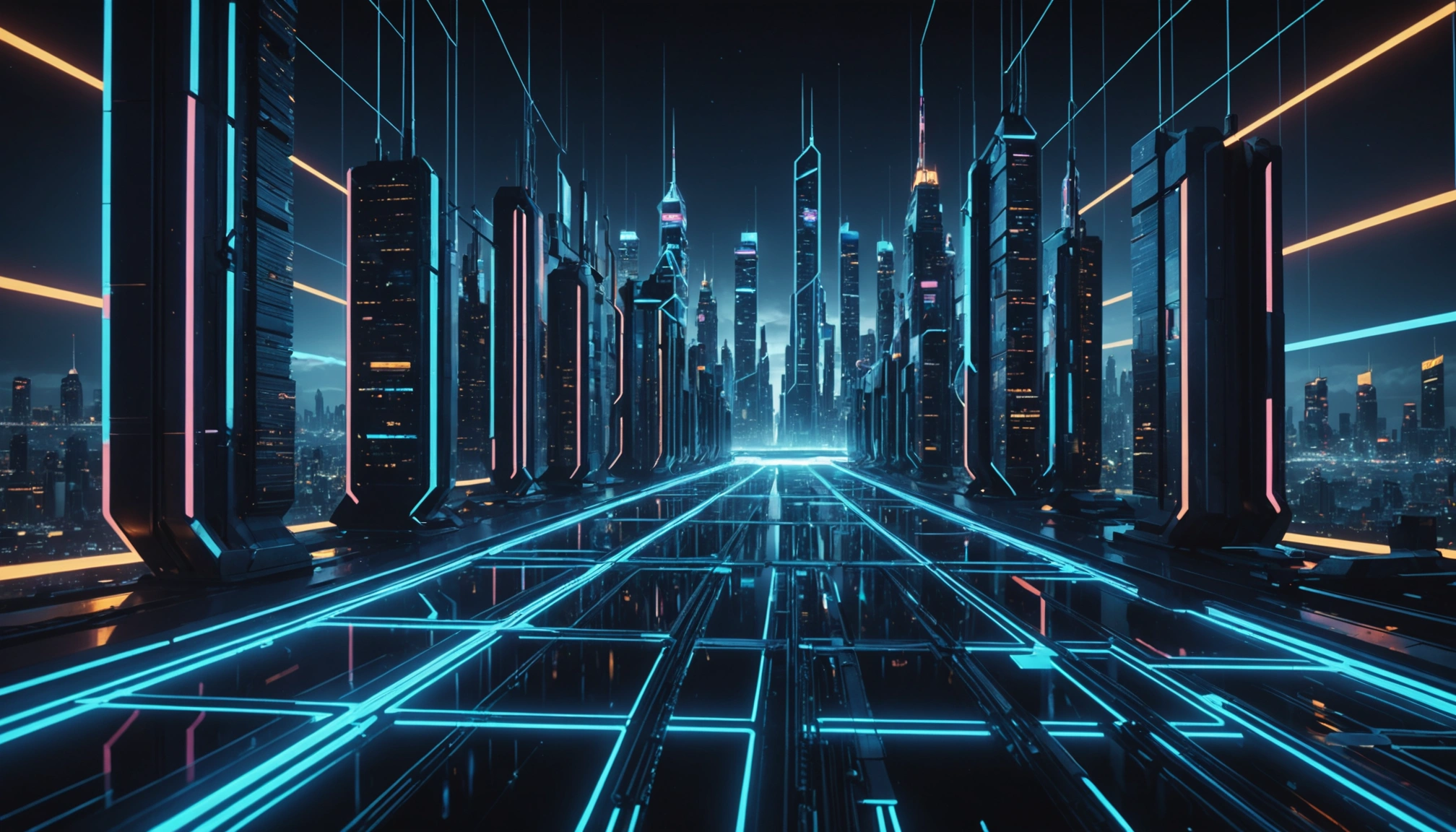
Forget centralized cloud rendering. The future is decentralized, and Render Network is leading the charge. This project is a fascinating example of how Web3 and DePIN (Decentralized Physical Infrastructure Networks) are not just buzzwords, but powerful tools for disrupting established industries. We’re talking about a fundamental shift in how creators access and utilize powerful GPU resources.
What is Render Network?
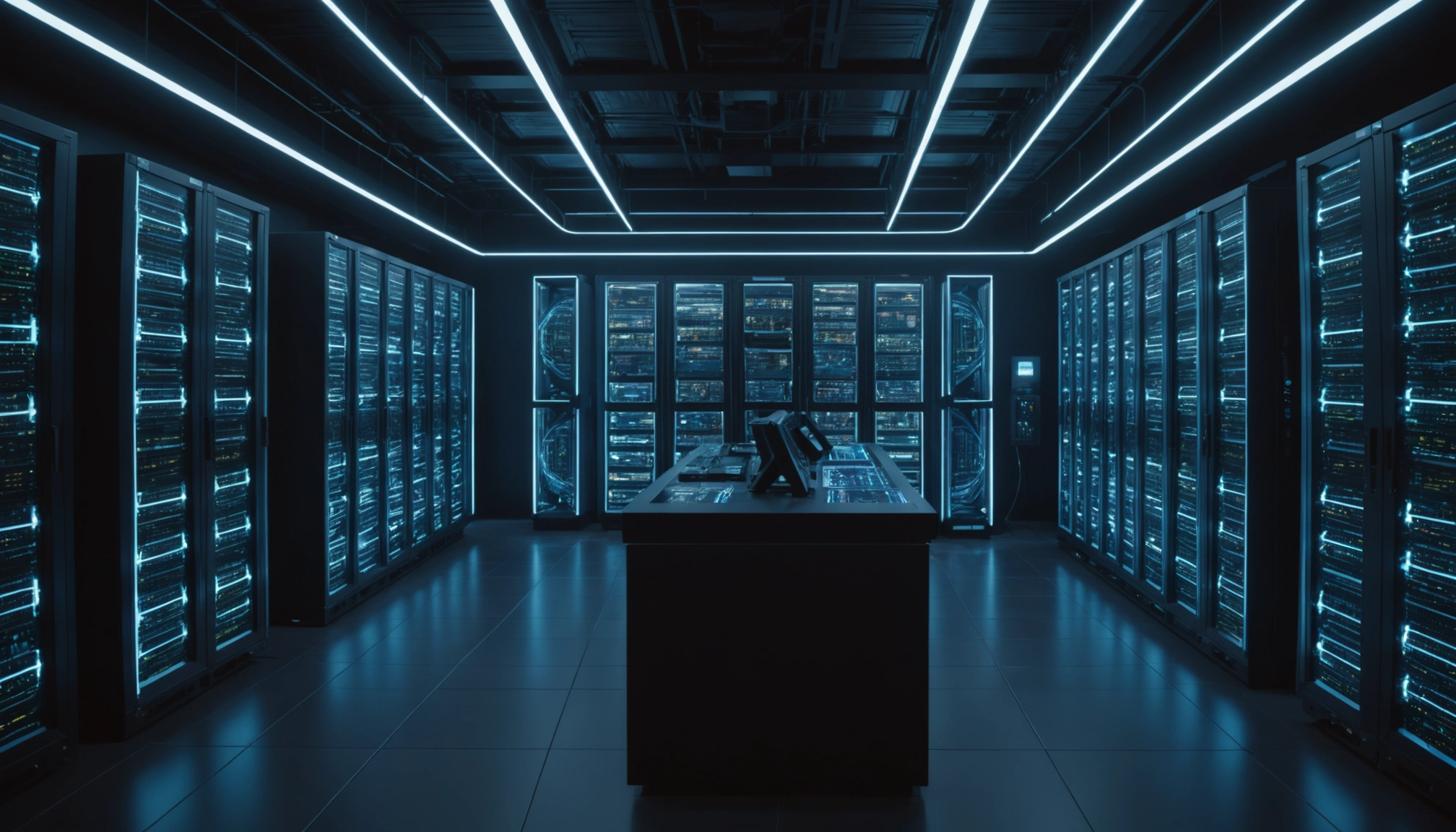
Render Network is a decentralized GPU rendering network built on the blockchain. It connects creators needing rendering power with GPU providers willing to rent out their processing capabilities. Think of it as an Airbnb for GPUs. This setup is incredibly efficient, cost-effective, and opens doors to new possibilities for artists, designers, and developers. Check out our guide on crypto wallets to securely manage your digital assets.
Key Features:
- Decentralized Marketplace: Directly connects renderers and providers, cutting out intermediaries.
- Scalability: Access to a vast, distributed network of GPUs, scaling on demand.
- Cost-Effectiveness: Potentially lower costs compared to traditional cloud rendering services.
- Security: Blockchain-based, providing enhanced security and transparency.
Real-World Utility and Industry Disruption
The real-world utility of Render Network is centered on its impact on content creation workflows. Traditional rendering, especially for high-resolution animations, visual effects (VFX), and complex 3D scenes, requires significant processing power. This often means expensive hardware or reliance on centralized cloud services. Render Network offers a compelling alternative.
Here’s how it disrupts the industry:
- Animation and VFX: Animators and VFX artists can render their projects faster and more affordably.
- 3D Modeling and Design: Designers can create high-fidelity visualizations without investing in expensive hardware.
- Game Development: Developers can render game assets and environments efficiently.
- Metaverse Development: Essential for building immersive and detailed metaverse experiences.
How it Works
The Render Network uses its native token, RNDR, for transactions. GPU providers (node operators) earn RNDR for providing their computing power, and renderers pay RNDR to access that power. The network facilitates a peer-to-peer exchange, managing jobs, handling payments, and ensuring security via its blockchain infrastructure. This structure provides a completely new opportunity to earn. To understand more about security, visit our crypto security guide.
The Future is Decentralized
Render Network is more than just a platform; it’s a glimpse into the future of computing. As the demand for rendering power continues to increase, the need for decentralized solutions will grow. Render Network is poised to become a critical component of the creative ecosystem. Keep an eye on this innovative project as it pushes the boundaries of what’s possible in the world of decentralized infrastructure and content creation.